1. Confirm the property is released
If police were involved, cleanup starts after they release the space. The owner or family can check with the agency.
Silver Lake, KS · Shawnee County
Is a rental unit, a family member's room or a vacant building in Silver Lake full of items nobody wants to touch? Call (877) 812-4220 for paraphernalia removal, residue cleaning and discreet service.
If anyone is in danger, call 911 first. For a suicide crisis, call or text 988.
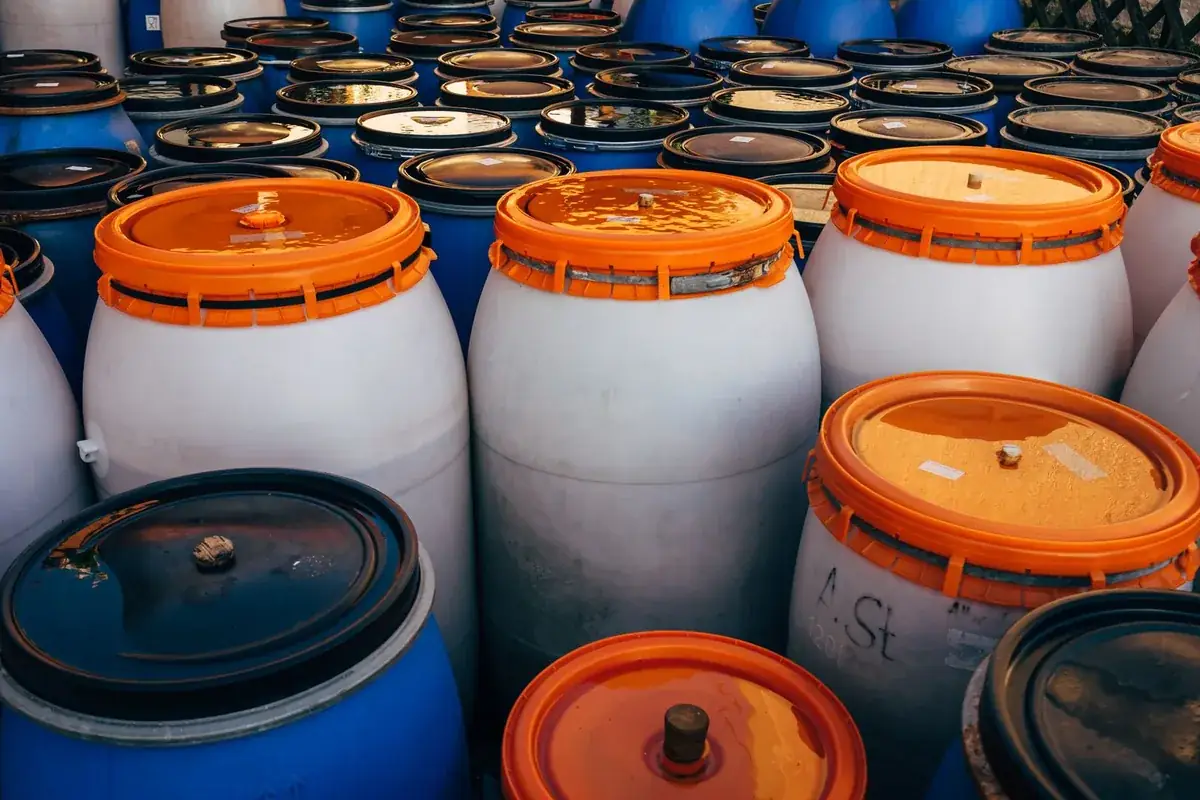
Biohazard cleanup for drug use covers removal of contaminated items, decontamination of surfaces, disposal of soft materials that cannot be cleaned and treatment of lingering odor.
For drug use cleanup jobs of any size across Shawnee County, call Silver Lake Biohazard Cleanup Help and get the work done. In Silver Lake, that can mean a single drawer of items or a house that needs thorough work, whatever you are facing.
Most homes in Silver Lake are owner occupied, with renters at only about 27% of households, so many calls come from families clearing a home or room. After a needle stick or exposure to an unknown substance, get medical care. University of Kansas Health System - St Francis Campus in Topeka is the closest emergency room to Silver Lake.
Drug Paraphernalia Cleanup in Silver Lake usually includes:
If police were involved, cleanup starts after they release the space. The owner or family can check with the agency.
Sharps come first, then bags, foil, containers and stained linens. Each is sorted into the right container.
Contaminated materials are bagged and carried out. Rebuilding or replacing them can wait until the space is clean.
Sealed waste is hauled for proper disposal, and a record is available for the owner on request.
The cost of drug paraphernalia cleanup in Silver Lake, KS depends on the amount of material, how it is packed and how it is hauled.
How many items and sharps are present changes the scope, because each needle has to be found, lifted and sealed.
| Type of job | Typical range |
|---|
Estimates only, not a quote. Sources: . Price drivers include amount of material, whether residue is present, surfaces affected, waste disposal. Call (877) 812-4220 to talk through the job.
The owner of the property usually pays at first. Lease terms and local law decide who is responsible in the end. A landlord, an attorney or a tenant rights group can say. Keep any record the cleanup team gives you, since a landlord or insurer may ask for it.
A careful cleanup removes the items and cleans the surfaces it covers. Testing is a separate step, and rules vary by place. Ask the team what it did and did not check, and ask the local health department what applies where you live.
A single room can be cleared quickly, while a house with hidden items, soiled carpet and odor takes longer. The time depends on the amount of material and access. A team can give a realistic idea after hearing the details.
No. This page explains how drug paraphernalia cleanup works. It is not medical, legal or insurance advice. For symptoms, contact a doctor or Poison Control, and for legal questions, ask an attorney.
Crews wear protective gear, remove sharps and loose items, and then clean hard surfaces with EPA-registered disinfectants. Porous materials such as carpet, padding or upholstery that took in residue may be removed. The team can explain what applies to your space.
Some residues can harm people who touch them, and you cannot tell by looking which ones. That is why gloves are not a substitute for professional cleanup. If skin touches something unknown, wash with soap and water and call Poison Control.
A cleanup team removes the items, treats the surfaces and keeps the details private.
Call (877) 812-4220